
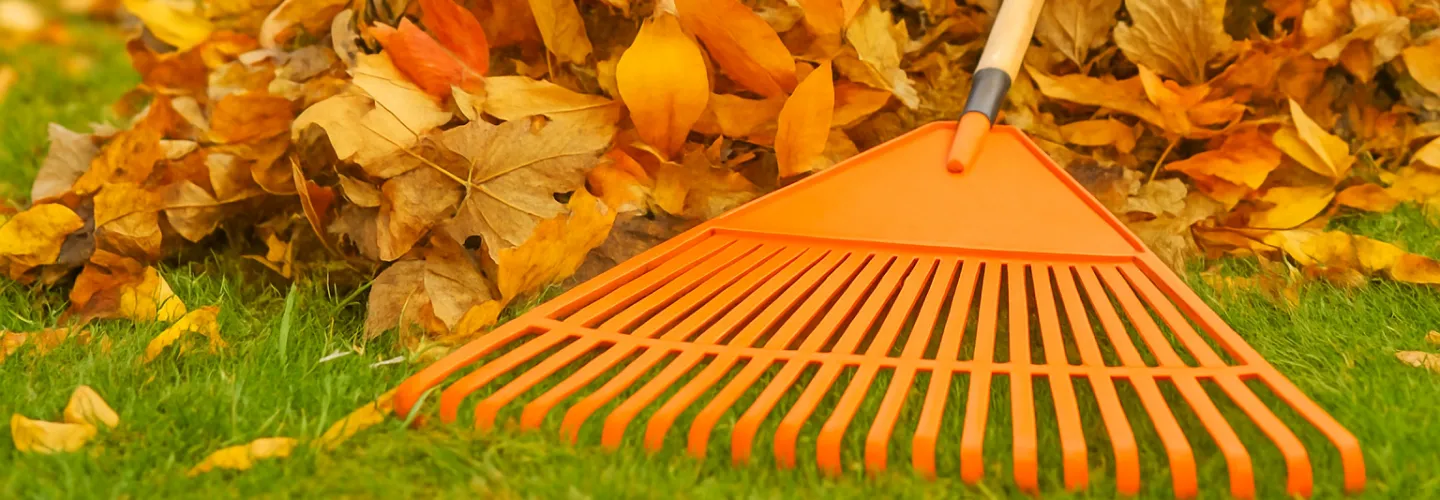
Indian Hill Dethatching Lawn Services
Choose our dethatching lawn services for a healthier, greener yard—our experienced team removes built-up thatch to promote stronger roots, better water absorption, and a lush, vibrant lawn you’ll love.
Get a Free QuoteOur Indian Hill Landscaping & Yard Care Services
When to Schedule Dethatching Lawn in Indian Hill, Ohio – Seasonal Guide
In Indian Hill, Ohio, the best time to schedule lawn dethatching is typically in early spring or early fall, when cool-season grasses are actively growing and can recover quickly. The region’s climate, with its distinct seasons and variable precipitation, means timing is crucial to avoid stressing your lawn. For neighborhoods near Redbird Hollow Trail or the shaded lots around Camargo Club, it’s important to consider how microclimates and tree coverage affect soil moisture and grass health.
Local environmental factors such as late spring frost dates, summer drought risk, and the area’s clay-heavy soils all play a role in determining the optimal dethatching window. Humidity levels and shade from mature trees, common in Indian Hill’s established neighborhoods, can also impact thatch buildup and recovery. For more information on local environmental guidelines, visit the Sudbury municipal site.
Local Factors to Consider for Dethatching Lawn in Indian Hill
- Tree density and shade coverage, especially in areas like Given Road and Hopewell Meadows
- Soil type (clay soils retain moisture and may require less frequent dethatching)
- Typical precipitation patterns and risk of summer drought
- Frost dates and timing of spring green-up
- Terrain and drainage, particularly on sloped properties
- Any municipal restrictions or neighborhood association guidelines
Benefits of Dethatching Lawn in Indian Hill

Improved Lawn Health
Enhanced Grass Growth
Increased Nutrient Absorption
Better Water Penetration
Reduced Pest and Disease Risk
Boosted Curb Appeal
Indian Hill Dethatching Lawn Types

Cool-Season Grass Dethatching
-
Warm-Season Grass Dethatching
-
Residential Lawn Dethatching
-
Commercial Lawn Dethatching
-
Sports Field Dethatching
-
Golf Course Dethatching
-
Organic Lawn Dethatching
Our Dethatching Lawn Process
Lawn Evaluation
Preparation and Marking
Dethatching Execution
Cleanup and Disposal
Post-Dethatching Inspection
Why Choose Indian Hill Landscape Services

-
Indian Hill Homeowners Trust Us
-
Expert Lawn Maintenance
-
Reliable Seasonal Cleanup
-
Professional Team
-
Competitive Pricing
-
Personalized Service
-
Satisfaction Guarantee
Indian Hill’s Predominant Soil Series and Dethatching Considerations
Dethatching practices in Indian Hill must account for the city’s dominant soil types, which include Miami silt loam and Rossmoyne silt loam, as identified by the USDA Web Soil Survey. These soils are moderately well-drained, with pH values typically ranging from 6.0 to 6.8, and are prone to compaction in developed areas. For optimal results, dethatching should be performed when soil moisture is moderate to avoid excessive disturbance or compaction. Core aeration to a depth of 2-3 inches is recommended for Miami silt loam, while dethatching depth should not exceed 0.5 inch to prevent root damage. Soil testing through OSU Extension is advised prior to major lawn renovations.
City of Indian Hill Public Works Department
6525 Drake Road, Indian Hill, OH 45243
Phone: (513) 831-3712
Official Website: City of Indian Hill Public Works Department
Seasonal Timing and Weather Guidance for Dethatching Lawns in Indian Hill
The optimal window for dethatching cool-season turf in Indian Hill is from April 15 to May 15 or September 1 to October 1, when soil temperatures are between 50°F and 65°F. Avoid dethatching during summer heat (June-August) to reduce turf stress and prevent weed invasion. Monitor local weather forecasts through the National Weather Service Wilmington Office to avoid scheduling work during heavy rainfall or drought periods. Key timing recommendations include:
- Spring dethatching: April 15 – May 15 (soil temp 50-65°F)
- Fall dethatching: September 1 – October 1 (before first frost)
- Avoid: June-August (heat stress period)
- Frequency: Every 2-3 years for silt loam soils
Municipal Coordination and Yard Waste Disposal Procedures in Indian Hill
Proper disposal of dethatching debris is regulated by Indian Hill’s municipal yard waste program. Collection occurs every Thursday from April through November. Residents must use biodegradable paper bags or reusable bins (32-gallon maximum); plastic bags and branches over 4 inches in diameter are prohibited. Place materials curbside by 7:00 AM on collection day. The city’s Department of Public Works oversees compliance and can provide additional guidance on accepted materials and schedules.
City of Indian Hill Public Works Department
6525 Drake Road, Indian Hill, OH 45243
Phone: (513) 831-3712
Official Website: City of Indian Hill Public Works Department
Environmental Compliance: Stormwater, Buffer Zones, and State Regulations
Dethatching activities in Indian Hill must comply with the city’s MS4 stormwater permit and buffer zone requirements under the Clean Water Act and Ohio Environmental Protection Act. Clippings and debris must not enter storm drains or watercourses. Maintain a 25-foot no-disturbance buffer from wetlands and streams, and avoid fertilizer application within 50 feet of water bodies. The Ohio Environmental Protection Agency enforces these standards, and violations may result in penalties. Key compliance steps:
- No debris in storm drains or waterways
- 25-foot buffer from wetlands/streams
- 50-foot setback for fertilizer use
- Follow MS4 permit requirements
Equipment Operation Hours and Safety Standards for Indian Hill Lawn Work
Indian Hill enforces specific noise and equipment operation ordinances for lawn maintenance. Permitted hours for dethatching and related equipment are:
- Monday-Friday: 7:00 AM – 7:00 PM
- Saturday: 8:00 AM – 6:00 PM
- Sunday and holidays: Prohibited Operators must use commercial-grade dethatchers with functioning mufflers and maintain noise levels below 85 decibels at property lines. All personnel are required to wear ANSI Z87.1 safety glasses, hearing protection for equipment over 85 dB, and steel-toed boots. Maintain a 15-foot clearance from overhead utilities and public rights-of-way. For further details, consult the city’s Ordinances.
What Neighborhoods Do We Serve Throughout Indian Hill, OH?
- Camp Dennison: Features well-drained Rossmoyne silt loam soils and larger lots, requiring attention to slope and runoff during dethatching.
- Shawnee Run: Characterized by mature tree canopies and moderate soil compaction, necessitating careful debris management and compliance with buffer zones near streams.
- Drake Road Corridor: Includes properties with Miami silt loam and occasional poorly drained areas, making timing and soil moisture monitoring critical for effective dethatching.
- Hopewell Meadows: Newer development with compacted fill soils and HOA landscaping standards, requiring adherence to noise ordinances and equipment operation hours.
- Weber Woods: Proximity to conservation areas and wetlands demands strict observance of 25-foot buffer requirements and careful debris containment.
- Remington: Features mixed soil types and smaller lots, with increased need for curbside debris placement and compliance with city collection schedules.
- Ridgewood: Noted for sloped terrain and mature landscaping, presenting challenges for equipment access and runoff control during dethatching operations.